

Table of Contents
ToggleIs Thailand safe for solo female travellers is the single question I’m asked the most since making the big move! As a British woman now living and working here, my perspective is unique: I explore Thailand solo on my days off. This means I’ve learned what the real, local risks are and they aren’t the ones the news focuses on. Thailand is truly beautiful and the people are incredibly kind, but safety is all about smart prep. This guide gives you my honest, residents view so you can plan your own amazing Thai travel adventures with total confidence.
This blog post contains affiliate links. If you choose to purchase through these links, I may receive a small commission at no extra cost to you. I only recommend products and services that I believe will provide value to you.
If you’re looking to travel solo but would prefer not to go alone, I organise group trips for solo female travellers. These trips offer a fantastic opportunity to explore new destinations while connecting with like-minded women. If you’re interested in joining one of my upcoming group trips, feel free to contact me or head to the home page to see what’s on offer.
The Quick Answer: My Verdict as a UK Woman Living in Thailand
Living here and going about my daily routine for the past few months has totally shifted my perspective on safety compared to just being on holiday.
The real safety issues here aren’t about people – they’re about the environment and the system. My focus has completely shifted: in London, I was concerned about my personal safety and making sure I got home late at night safely. Here? It’s all about not getting a dodgy stomach bug, staying safe in the blazing sun, and constantly keeping an eye on the chaotic roads.
How Does Living Here Change My Perspective on Solo Travel Safety
Honestly? I feel safer walking around Bangkok than I ever did back in London. I don’t worry about getting my bag snatched or being catcalled every time I walk down the street. Sure, people sometimes stare, but it’s more out of curiosity than anything else. I think tourists often focus on the scary headlines, but for me, safety here is more about everyday stuff, like crossing the road without getting flattened or making sure my motorbike taxi isn’t about to fall apart.
The Top 3 Real Risks for Solo Women
The most serious risks are almost always accidental, not criminal. First up, road crashes are a major problem, especially involving scooters – seriously, be careful. Second, money scams and financial fraud can cause big losses; always stay alert.Third, unfortunately, drink spiking happens sometimes in busy nightlife areas. These three things pose a much greater threat than the violent crime rates often talked about. Remember these when planning your Thailand solo travel itinerary.
Health, Food, and Hygiene Safety: Staying Well Beyond a Short Trip
Staying healthy while travelling is a huge part of staying safe – especially if you’re planning to spend a bit of time in Thailand. The food here is incredible, but hygiene standards can vary, so it’s worth being a little picky about where you eat. Another thing many UK travellers forget is water safety – always stick to bottled or filtered water. And don’t forget the mosquito repellent! It might not be glamorous, but it’ll save you from a lot of itchy bites (and worse). Lastly, make sure you know how the healthcare system works – understanding the difference between private and public hospitals can save you both time and money if you do get unwell. A little preparation goes a long way in making sure you can enjoy your entire trip stress-free.
Street Food Hygiene: How to Find the Safest Vendors for Delicious Meals
Trying Thai street food is honestly one of the best parts of visiting Thailand, and most of it is totally safe – you just need to know what to look for. The easiest rule? Go where the locals go. Busy stalls mean high turnover, which means fresh ingredients.
Watch how the food’s prepared: if the stall looks clean and the cook handles things hygienically, you’re good to go. Avoid anything that looks like it’s been sitting out for too long, and always opt for dishes cooked fresh right in front of you. Hot, sizzling food is your best friend when it comes to staying safe and avoiding an upset stomach.
Water and Hydration Safety in Thailand
If you’re wondering is Thailand safe for solo female travellers, one of the main things to know is that tap water isn’t drinkable. You’ll want to stick to bottled or filtered water during your stay. Most hotels, hostels, and Airbnbs provide refill stations, so it’s easy to stay hydrated without constantly buying new bottles.
When eating out, try to avoid ice unless you’re at a reputable restaurant or café where it’s made from purified water (you’ll spot the difference after a few days). Staying hydrated is key, especially in Thailand’s humidity, so always keep a reusable bottle on you – it’s better for your health and the planet.
If you do get a little stomach upset (it happens to the best of us), local pharmacies are fantastic. You’ll find trusted brands and English-speaking pharmacists in most towns and tourist areas, so you’ll be looked after if you need a quick remedy. You can also pick up general medicines such as stomach settlers and electrolytes from the majority of 7/11 stores.
Understanding Medical Care in Thailand
Another big part of feeling confident as a solo female traveller in Thailand is knowing what to do if you get sick or injured. The good news? Thailand’s healthcare system is excellent – especially in major cities and popular islands. Private hospitals are clean, modern, and efficient, with doctors who often speak great English.
If you’re on a budget, public hospitals are also an option, but wait times can be longer. For most travellers, private clinics are worth the slightly higher cost for faster service and comfort. Always make sure you have travel insurance before you arrive – it’s one of those things you hope you won’t need, but you’ll be so relieved to have if something goes wrong. Even a simple check-up or scooter accident can cost hundreds without coverage, so don’t take the risk. Protect yourself and travel stress-free. Check out my link for Visitors Coverage Travel Insurance and let’s make your next adventure worry-free.
And remember, Thailand is used to welcoming solo female travellers from all over the world. Whether you need directions to a pharmacy, a doctor’s recommendation, or just reassurance, people are usually kind and willing to help.
Essential Preparation: Your UK-Specific Safety Checklist
Before you even step on the plane, a little preparation goes a long way in making sure your Thailand adventure is smooth and stress-free – especially if you’re travelling solo. When people ask “is Thailand safe for solo female travellers?” the answer is yes – but being organised before you go makes it even safer.
Here’s everything UK travellers should have sorted before take-of:
1. Thailand Digital Arrival Card (TDAC): What UK Travellers Need to Know
Before flying, make sure you understand Thailand’s latest entry requirements – especially the Thailand Digital Arrival Card (TDAC) system. For UK travellers, this form replaces the old TM6 paper card that used to be filled out on arrival. Not all airports require it yet, but it’s still best to complete it ahead of time to avoid any surprises at immigration.
You can fill it out through the official Thai government website (avoid unofficial third-party sites that charge extra). You’ll need to include:
Your flight details
Passport information
The address of your first accommodation in Thailand
Once submitted, you’ll receive a confirmation QR code – keep this saved or printed, as immigration officers may ask to scan it when you arrive.
Why it matters: Having your TDAC sorted saves time, helps with smoother entry, and shows officials you’re well-prepared. For solo female travellers, that sense of calm and confidence at the airport is everything.
Quick tip: Always check the latest FCDO Thailand travel advice before your trip to stay up-to-date on any new requirements.
2. Essential Emergency Contacts to Save in Your Phone
It’s always worth having key contacts handy before you need them. Add these to your phone:
-
Tourist Police: 1155 (English-speaking support)
-
General Emergency: 191
-
Medical Emergency: 1669
-
UK Embassy in Bangkok: +66 (0)2 305 8333
-
Insurance Emergency Line: (from your provider)
Pro tip: Save your hotel’s name and address in Thai in your notes app – it’ll make getting around in taxis much easier.
3. Travel Insurance
Buy a comprehensive travel insurance policy before leaving the UK – this is your safety net. Check that the cover is suitable for all activities you plan to do, like scuba diving or hiking. Look very closely at the section about riding a motorcycle or scooter if you plan on renting one during your stay. Your policy is only valid if you hold a full motorcycle license in the UK, even for a small 125cc bike. Without the right license, the insurance company will simply not pay for hospital bills.
I recommend checking out Visitors Coverage—they offer flexible policies specifically designed for international travel, so you can find the right protection to match your trip’s length and activities.
4. Handling Passport Security and Document Copies
Thailand is generally very safe, but keeping your passport secure is still essential. Carry a photocopy or digital photo on your phone for ID purposes – you don’t need to carry your original passport everywhere.
Store your actual passport in a hotel safe or a secure, locked bag. If you’re planning long-term travel, you can even register your passport with the British Embassy for peace of mind.
I also keep a digital folder with copies of all important documents stored in the cloud. That way, if anything goes missing, it’s easy to access from anywhere – and to make sure you always have that access, I highly recommend setting up an eSIM like Airalo to keep your phone working and connected as soon as you land. You can use the tool below
5.Visa Rules to Enter Thailand? (UK Passport Holders)
The good news is that if you’re planning a trip of 60 days or less, you do not need a visa for Thailand. You automatically receive a 60-day visa exemption stamp when you arrive at the airport. However, your passport must be valid for at least six months from your entry date, or they will not let you board the plane in the UK. If you plan to stay longer, you must apply for a tourist visa extension at the Thai Embassy or Consulate in the UK before you travel.
You can apply for a tourist visa extension once you are in Thailand, but you’ll need to submit forms like the TM7, pay a fee (around 1900 baht, approx £45), and provide supporting documents such as your passport and photos. For longer extensions or non-tourist visas, you may need to meet different requirements and apply at your local immigration office. You can check the most up to date requirements via the Thai Embassy website.
Getting Around: Secure Transport Tips from a Local
Thailand has an impressive range of public and private transport options, but like anywhere in the world, it helps to know what’s safest and what to avoid. Here’s everything I’ve learned (from living here!) about getting around safely and confidently as a solo traveller.
Using Grab and Bolt Safely: Why Ride-Sharing is Superior to Street Taxis
If you take one tip away from this section, let it be this: use ride-sharing apps like Grab or Bolt instead of hailing street taxis.
While traditional taxis are everywhere, especially in Bangkok – many don’t use meters, and fares can be “negotiated” on the spot (which usually means inflated prices). Grab and Bolt remove all that guesswork, showing the fare upfront and tracking your location through GPS which adds a huge layer of safety for solo female travellers.
Top tips for safe ride-sharing:
- Always double-check the driver’s name, photo, and plate before getting in.
Share your live trip with a friend through the app.
Avoid sitting in the front seat if you’re alone.
If the driver asks to go “off app,” politely decline and cancel the ride.
Grab also offers GrabBike, a motorbike taxi option – handy for short trips in traffic-heavy cities. Helmets are usually provided, but check the strap is secure before you set off.
Pro tip: If you’re planning multiple journeys, Grab often runs discount codes for tourists through their app.
Navigating Local Transport: BTS, MRT, and Songthaews (The Safe Way)
If you’re exploring Bangkok, the BTS Skytrain and MRT subway are the safest, cleanest, and most efficient ways to get around. They’re reliable, air-conditioned, and ideal for solo female travellers – even late at night.
BTS Skytrain: Runs across key parts of Bangkok, including Sukhumvit and Silom.
MRT Subway: Perfect for reaching Chinatown, Chatuchak Market, or the airport rail link.
Smart Tip: Buy a Rabbit Card (like an Oyster Card) if you’ll be using the BTS frequently. Make sure you take your passport to the ticket office. The Rabbit card costs 200THB (Approx £4) plus however much you decide to top it up with.
For shorter distances outside the city, you’ll often find songthaews (shared pickup trucks) or tuk-tuks. These can be fun and perfectly safe, but always agree on a price before you get in, and trust your instincts – if it doesn’t feel right, wait for the next one.
In most tourist areas, locals are friendly and helpful if you’re unsure where to get off – just show them your destination on Google Maps.
Ferry and Boat Safety on the Thai Islands: Choosing Reputable Operators
When island-hopping in Thailand, ferries and speedboats are a way of life, but they can also be confusing for first-timers.
Thailand has countless ferry companies, but not all are created equal. As a solo traveller, always book with a reputable operator that prioritises safety and maintenance standards.
My tried-and-tested tips:
Avoid very small speedboats in rough seas – go for larger, licensed operators.
Always wear a life jacket (even if locals don’t).
- Check weather forecasts before travelling; ferry delays or cancellations are common during monsoon season.
Book tickets online through trusted platforms like 12Go Asia – I use them personally to compare times and read reviews. Save yourself the worry – you can compare prices and secure your ticket in minutes using my trusted booking partner below.
Accommodation Safety: Beyond the Hostel Scene
Choosing the right place to stay is incredibly important for personal safety, especially for solo female travellers. You should look for places that offer secure entry and clear safety procedures. Do not just pick the cheapest room! Look for hotels, guesthouses, or hostels that have good security features like keycard access and 24-hour staff. Researching the area before you book also helps you find safe neighbourhoods near transport links. When planning your trip, consider safety checks as important as your final destination choice.
Key Security Features to Look for in Boutique Hotels and Guesthouses
A good hotel will always have a 24-hour reception desk with staff who are always watching the main entrance. Choose accommodation that uses electronic keycard access instead of old-fashioned keys – it’s just more secure. Always use the safe box inside your room for all money, important documents, and electronic items. When you leave the room, take that extra second to make sure the door and window locks are properly secured.
Choosing Safe Neighbourhoods for Solo Stays (Bangkok, Chiang Mai, and Islands)
In Bangkok, stick to areas near the BTS or MRT lines, like Sukhumvit or Silom. These areas are well-lit, busy, and safer. Chiang Mai’s Old City is a very safe and popular choice for solo visitors – it’s super easy to navigate. On the islands, choose a resort or guesthouse near the main town area with good lighting and clear access roads. And always, always read recent reviews from other solo female travellers online.
The Value of Private Rooms and In-Room Safes
A private room offers the absolute best peace of mind and security when you are travelling alone. You have full control over the space. Always use the in-room safe to store your passport, spare cash, and cards. Never leave important belongings just lying out in the open – it’s not worth the risk! This small, simple step protects you against theft and potential loss, giving you one less thing to worry about.
Avoid the Pitfalls: 3 Most Common Scams in Thailand
Unfortunately, tourists sometimes fall victim to simple scams. These tricks are usually not dangerous, but they are designed to take your money or waste your time. Knowing the most common scams means you can spot them easily and walk away quickly. The scams involve transport, shopping, and common tourist sites. Being aware of these tricks is a key part of answering the core question: Is Thailand Safe for Solo Female Travellers? Yes, it is, but avoiding these petty pitfalls keeps your holiday budget on track and your whole trip stress-free. Always trust your gut feeling if a situation feels strange – if it sounds too good to be true, it probably is.
1. Tuk-Tuk and Taxi Scams: The "Wrong Route" and "Meter Off" Tricks
The most common taxi scam is the driver refusing to use the meter and quoting a very high fixed price instead. You must always insist on the meter being turned on. Tuk-tuk drivers will offer super cheap rides but often stop at gem shops or tailor stores along the way (they get a commission from the shop). Politely refuse to go anywhere except your stated destination – be firm and they will usually drop it.
2. The Infamous "Temple is Closed" Scam (and the Gem Store Twist)
This scam starts when a friendly person approaches you near a major tourist site. They’ll tell you the temple or palace is closed today for some “special” reason. They then suggest a very cheap tuk-tuk tour to other places. This “tour” always involves stopping at a shop where the driver tries to pressure you into buying something. Politely ignore anyone who says a popular landmark is closed – just keep walking!
3. Overcharging and Price Haggling: When to Walk Away Politely
Haggling is accepted in markets and can be a bit of fun, but you must know the fair price first. Do not argue about price in major shopping centres or official restaurants. If a vendor gives you a price that is too high, offer a fair price. If they refuse to lower it, just smile, say thank you, and walk away. They will often call you back with a much better price, so don’t feel awkward about leaving!
Final Thoughts: Is Thailand Safe for Solo Female Travellers?
So, is Thailand safe for solo female travellers? From my own experience living here – absolutely, yes. Thailand is one of the most welcoming, accessible, and easy-to-navigate countries for women travelling alone. Like anywhere in the world, you need to stay aware, but the reality is that most visitors feel more comfortable here than they do in many Western cities.
The people are kind, the infrastructure is well-developed, and there’s a huge network of other women travelling solo who’ll make you feel right at home. Whether you’re wandering the markets of Bangkok, island-hopping in Krabi, or taking the ferry to Koh Samui, Thailand offers freedom, connection, and an incredible sense of independence – safely.
That said, I completely understand how nerve-wracking it can feel to take that first step alone. That’s exactly why I started organising group trips for solo female travellers – designed for women who crave adventure but want community, safety, and everything taken care of. If you’d love to explore Thailand with a supportive group of like-minded women, you can learn more about my upcoming group trip to Thailand in February 2026.
If you can’t make the group trip, be sure to check out G Adventures – Discover solo and group travel with G Adventures for a seamless mix of independence and support.
Ready to start planning your next solo escape?
Contact AGA Travel today to get a personalised quote or chat about your dream destination. Whether it’s Europe, Asia, or beyond – i’ll help you turn your solo travel plans into reality.
Frequently Asked Questions: Is Thailand Safe For Solo Female Travellers
1. Is Thailand safe for solo female travellers at night?
Yes – Thailand is generally very safe after dark, especially in busy areas like Bangkok, Chiang Mai, or the islands. Just use the same common sense you would at home: stick to well-lit streets, avoid walking alone down quiet alleys, and use Grab or Bolt instead of street taxis.
2. Is it safe to use public transport as a solo female traveller in Thailand?
Absolutely. The BTS Skytrain and MRT subway in Bangkok are clean, efficient, and safe, even for women travelling alone. On the islands, taxis and ferries are reliable when booked with reputable companies (I recommend 12Go Asia for comparing routes and reviews).
3. What areas of Thailand are best for solo female travellers?
If you’re new to solo travel, start with Bangkok, Chiang Mai, or Koh Samui. These areas have strong tourism infrastructure, welcoming locals, and plenty of other female travellers. Koh Samet and Krabi are also great for a relaxed beach vibe and friendly atmosphere.
4. Do I need travel insurance for Thailand as a solo traveller?
Yes – absolutely! Always take out comprehensive travel insurance before your trip. I personally recommend Journeys Travel Insurance, which covers solo travellers, medical care, and island activities. It’s worth it for peace of mind, especially if you plan to rent scooters or go island-hopping.
5. How can I meet other solo female travellers in Thailand?
Thailand has a huge solo travel community. You can meet others in hostels, cafés, coworking spaces, or through Facebook groups. And if you prefer a little structure, joining one of my group trips for solo female travellers is the perfect way to explore Thailand safely and make lifelong friends.
6. What’s the biggest safety tip for solo female travellers in Thailand?
Trust your instincts. Thai people are incredibly kind and helpful, but if something feels off – walk away or say no. Keep your belongings close, stay hydrated, and let someone know your plans when venturing off-grid.
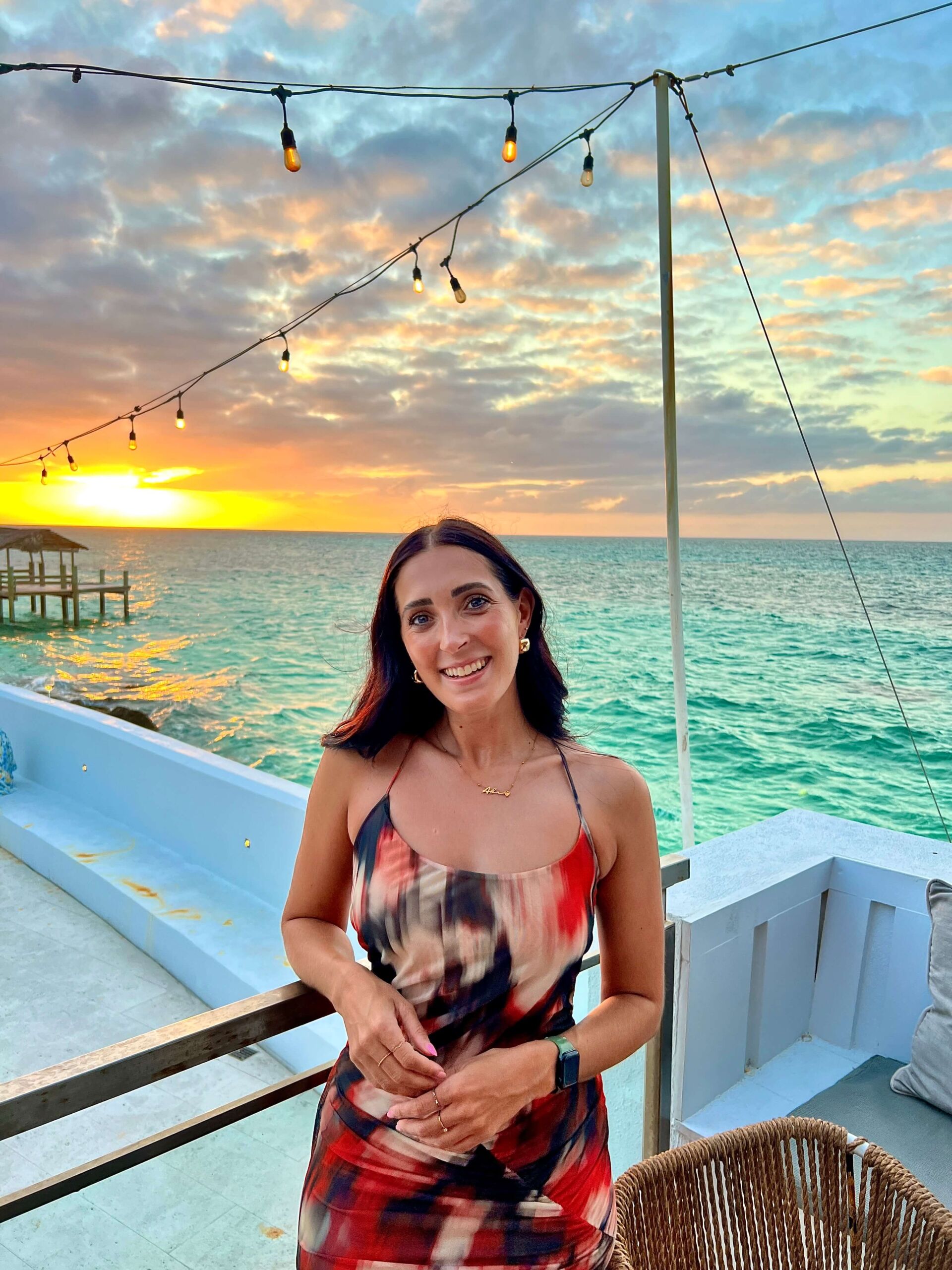
Abi is a UK travel blogger, currently living in Thailand, sharing destination guides, solo female travel tips, and insider advice on exploring Southeast Asia. Through AGA Travel (Always Go Anywhere), she helps women discover the world with confidence, whether they’re travelling solo or joining one of her hosted group trips.

8 Comments
Comments are closed.