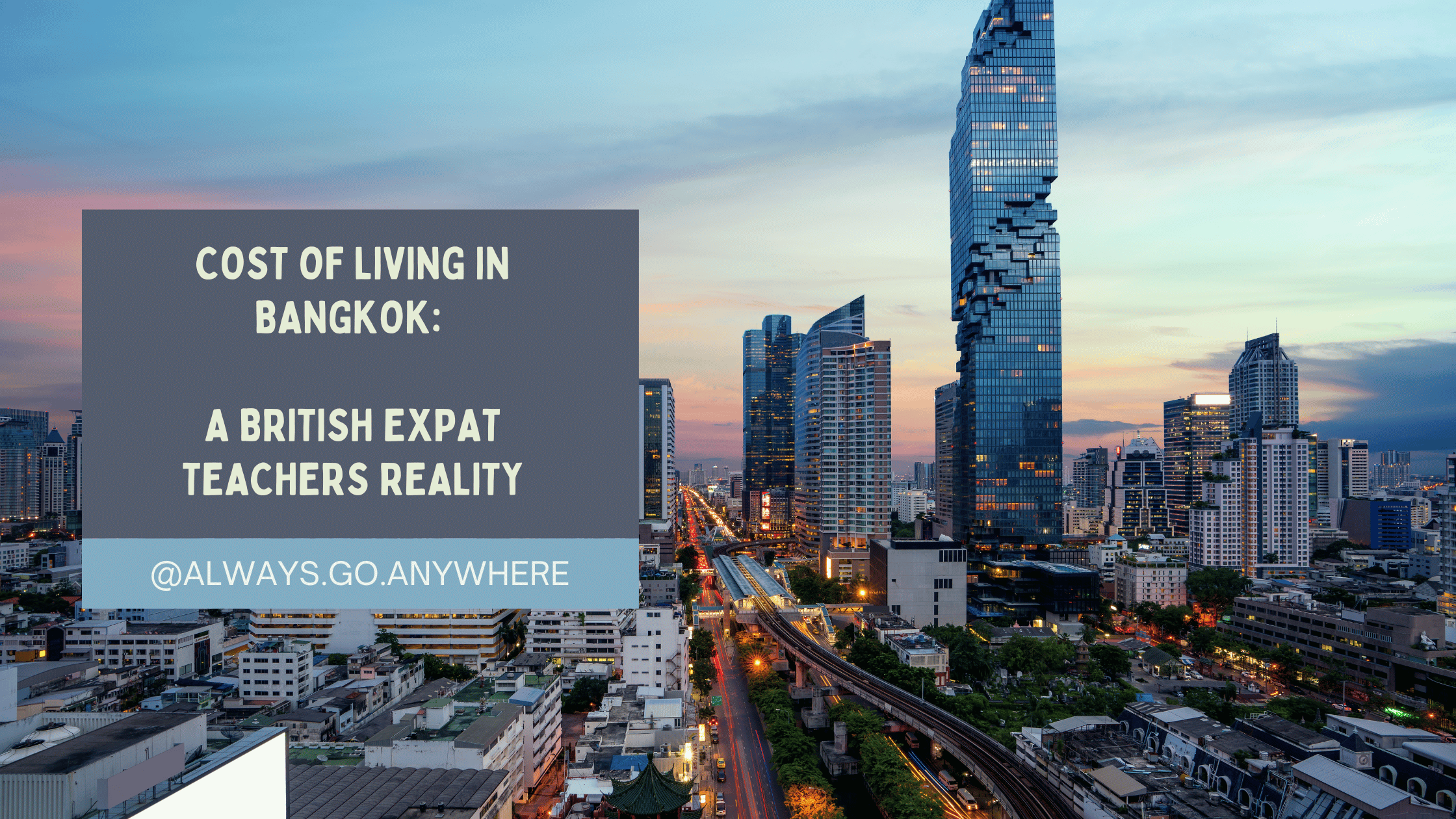
The cost of living in Bangkok surprises most people, and I mean that in the best way possible. My name is Abi, and I’m a British girl from London, now living in Bangkok and teaching English. I can tell you that life here looks very different from what I expected. Different in ways that make you question why you ever paid £1,800+ a month for a flat in zones 3 to 6. This guide gives you real numbers, real experiences, and everything priced in pounds – because that’s how we think back home.
Please note that this article contains affiliate links. If you book or buy through them, I may earn a small commission at no extra cost to you – it helps keep this blog running, so thank you!
The costs in this article are based entirely on my own personal experience as a solo woman living in Bangkok. I rarely drink alcohol, I live an active and healthy lifestyle, and I spend most of my spare time travelling as much as possible. Your costs may look slightly different depending on your own lifestyle choices, but this is my honest guide to the real cost of living in Bangkok.
How Much Does It Really Cost to Live in Bangkok? (The Honest Answer)
The average cost of living in Bangkok per month for a single person sits between ฿38,000 and ฿55,000, which is roughly £874 to £1,264. Your exact monthly expenses depend heavily on your lifestyle. Eat street food daily and take the BTS everywhere, and you sit closer to the lower end. Dine at Western restaurants, take a Grab for every journey, and sign up to a premium gym, and you creep towards the higher end. Compare either figure to London, and Bangkok still wins by a mile. The cost of living in Bangkok vs the UK is not even close.
Cost of Renting in Bangkok – What I Actually Pay as an Expat
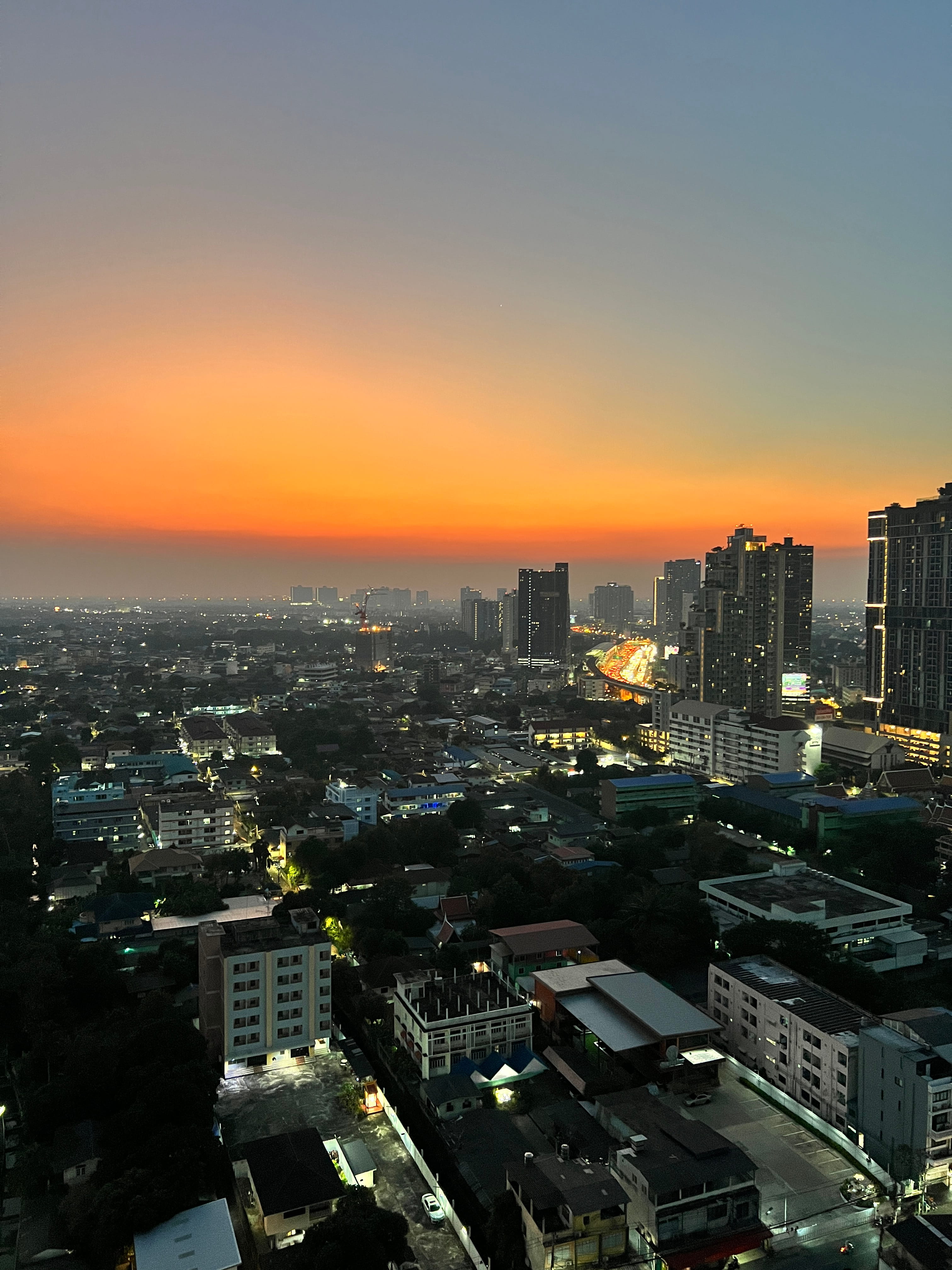
Rent is probably your biggest monthly expense, and understanding the cost of living in Bangkok with rent factored in is the most important number to get right. Bangkok has thousands of condos across every price point and every neighbourhood. Here is what most people do not realise – newer does not always mean better value. Many brand new condos are tiny. A 28 to 35 square metre one-bedroom is completely standard in a modern build. I pay ฿17,000 per month (£378) for an older-style condo with two bedrooms and 65 square metres of actual space, just a five-minute walk from the BTS. Same money, double the room. Choose wisely.
1. Budget Rentals – ฿8,000 – ฿15,000 / £184 – 345 per month
At this price point, you get a studio or compact one-bedroom, usually further from the BTS or outside the city centre. Space is typically 25 to 35 square metres. Many budget condos still include a shared pool and gym, so do not write them off. For a single person starting out, this range works well. One thing to know before you sign anything – most landlords require three months upfront, which covers your deposit and first month’s rent. Budget for this before you arrive. Check DDProperty, FazWaz, Property Scout and Facebook Marketplace for the best listings at this level.
2. Mid-Range Condos – ฿15,000 – ฿30,000 / £345 – £690 per month
This is where Bangkok really starts to impress. At this price range, you get a well-sized apartment, closer to a BTS or MRT station, with noticeably better finishes and facilities. Most condos at this level come with a gym, swimming pool, and co-working space as standard. Newer buildings often throw in extras like a sauna, yoga space, basketball court, or even a pool table. My own two-bedroom, 65 square metre condo sits at ฿17,000 (£390) right at the lower end of this range and it genuinely feels like good value every single month.
3. High-End Condos – ฿30,000+ / £690+ per month
If you want the full Bangkok luxury experience, high-end condos deliver it. These are found in sought-after central areas like Sukhumvit, Silom, Thonglor and Ekkamai right on the BTS line and close to the best restaurants, rooftop bars and shopping malls. Think floor-to-ceiling windows, sleek modern interiors, infinity pools, concierge services and sky lounges. At this level, you are paying for location, size, and prestige. Prices start at ฿30,000 (£690) and can go well beyond ฿80,000 (£1,839) for the most premium buildings. For many British expats on international school salaries, this level is completely within reach.
4. What to Watch Out For (Deposits, Air Con Bills & Hidden Costs)
A few things catch people off guard when renting in Bangkok. First, the three month upfront payment – this covers your security deposit and first month’s rent, so make sure you have that cash ready before you move in. Second, electricity. Bangkok is hot, and running air con around the clock adds up fast. Expect to pay ฿1,500 to ฿3,000 (£34 to £69) per month on electricity alone. Third, not all condos come fully furnished. I personally had to buy kitchen appliances, plates, cups, bowls, bedding etc.. It cost me around £200 in total to get properly set up. Factor this into your moving budget. Finally, pet-friendly condos exist but are hard to find and usually cost more.
Food Costs in Bangkok – From Street Stalls to Supermarkets
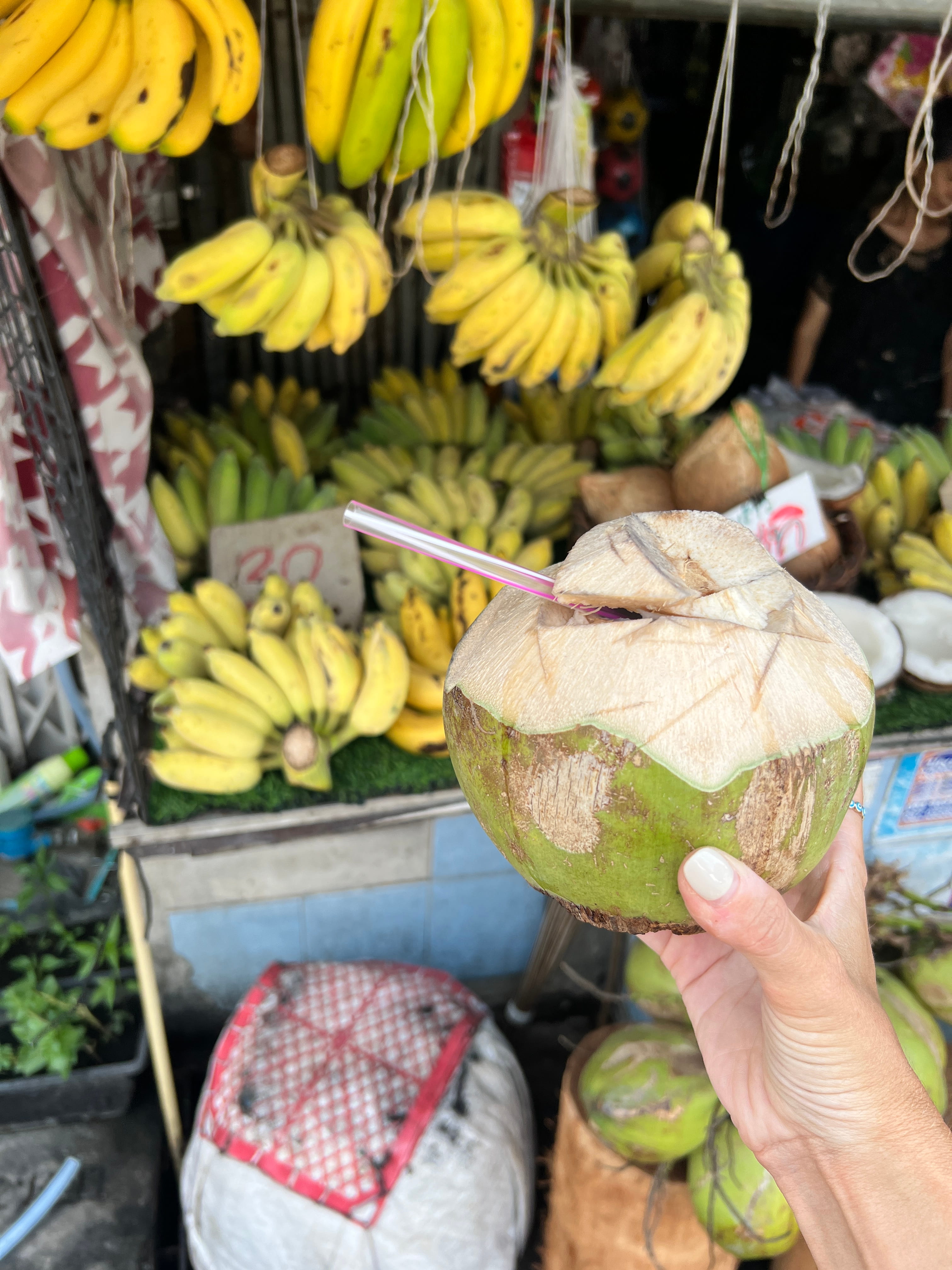
Food is honestly one of the best parts of living in Bangkok. The city feeds you well at every budget level. A typical meal from a street food vendor costs just ฿50 to ฿80 (£1.15 to £1.84) and the food is genuinely delicious. The same meal sitting down in a local restaurant will set you back somewhere between ฿100 to ฿150 (£2.30 to £3.45). Western food is where costs rise, with most meals coming in at ฿300 to ฿700 (£6.90 to £16.09) or more. I personally spend ฿1,200 to ฿1,500 (£27.59 to £34.48) per week on groceries as I cook a lot of Western meals at home. I also spend around ฿800 to ฿1,000 (£18.39 to £22.99) per month on drinking water, delivered in bulk straight to my door.
1. Eating Local (The Smart Way to Keep Costs Down)
Eating local in Bangkok is one of the easiest ways to keep your monthly costs down. Street food stalls and local noodle shops are on practically every corner, and most dishes cost between ฿50 and ฿150 (£1.15 to £3.45). Pad thai, khao man gai, and som tum are filling, fresh and incredibly cheap. Local food courts inside shopping malls are another great option – air conditioned, clean, and very affordable. If you eat local for most of your meals, your monthly food bill stays very manageable. It is one of the genuine daily pleasures of living here.
2. Western Food & Coffee Culture (Where Your Budget Feels It)
Bangkok has a brilliant café culture and Western food scene, but this is where your budget starts to feel it. A decent coffee from one of Bangkok’s many independent cafés costs around ฿90 to ฿150 (£2.07 to £3.45). A Western meal at a mid-range restaurant will set you back anywhere from ฿300 to ฿700 (£6.90 to £16.09). Higher-end restaurants can easily exceed ฿1,500 (£34.48) per person. Bangkok also has some truly stunning rooftop bars but most come with a minimum spend of around ฿1,200 to ฿2,000+ (£27.59 to £45.98). Wine and imported alcohol are notoriously expensive due to high import taxes. Eating and drinking Western regularly will push your monthly food spend up noticeably.
Getting Around Bangkok – Transport Costs Broken Down
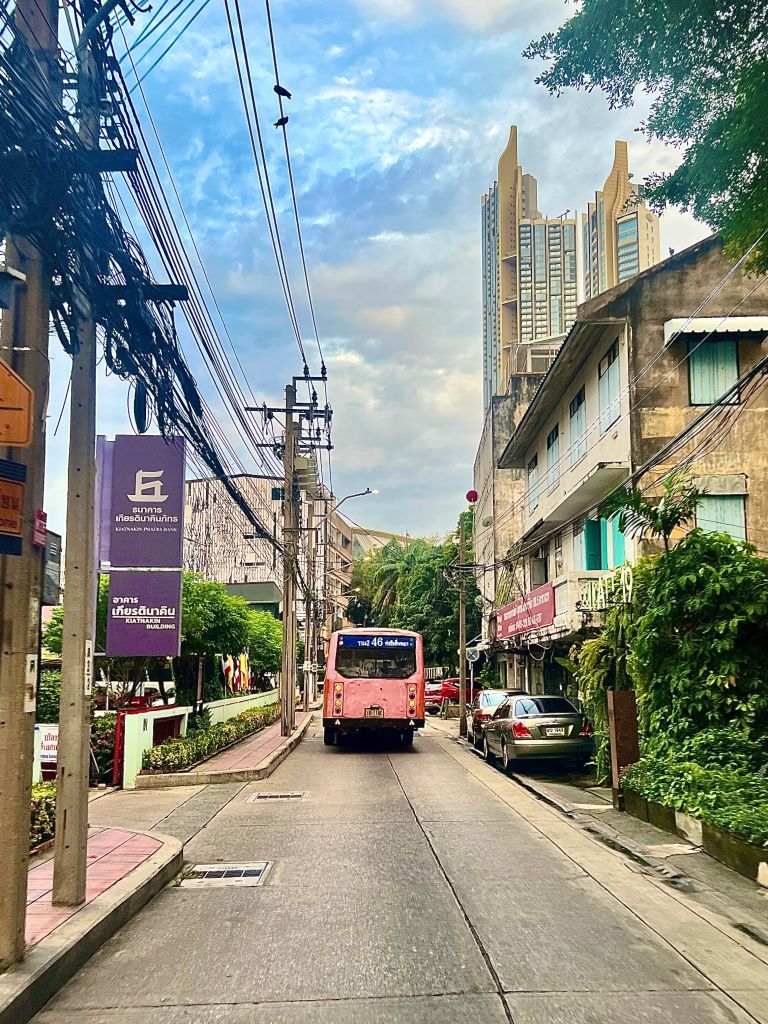
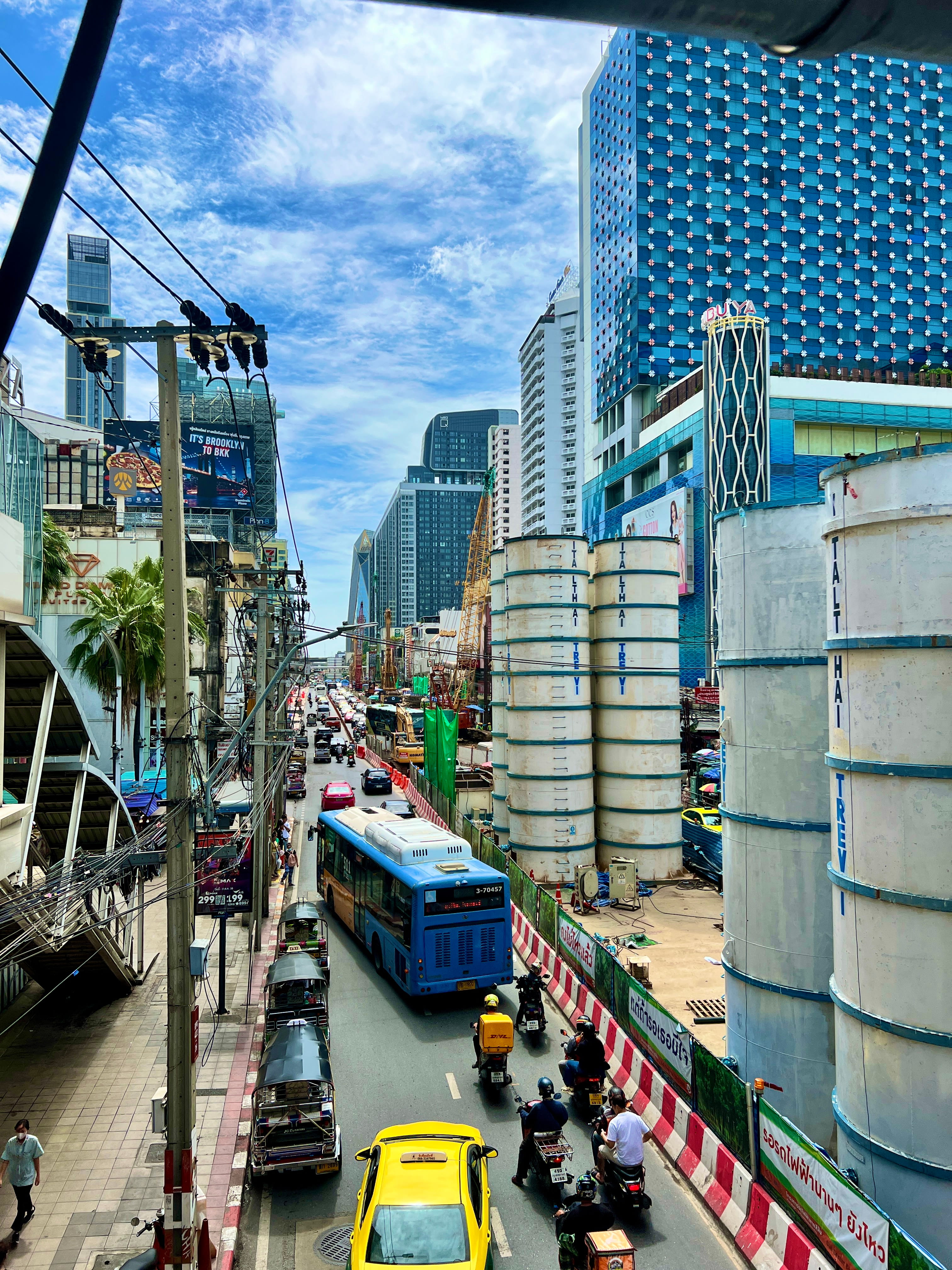
Getting around Bangkok is easier and cheaper than most people expect. The BTS Skytrain costs between ฿17 and ฿62 (£0.38 to £1.38) per single journey, depending on distance. Shorter trips of one to three stops usually cost just ฿17 to ฿23 (£0.38 to £0.53). The MRT subway runs similarly, with single journeys costing ฿17 to ฿43 (£0.38 to £0.99). Grab rides vary depending on distance and time of day. I use public transport every day to get to work and take Grabs at the weekend. My total monthly transport spend sits at around ฿3,000 (£68.97) – a fraction of what a UK monthly travel card costs.
Monthly Bills in Bangkok – Utilities, Internet & Phone
Monthly bills in Bangkok are generally very affordable, but electricity is the one that surprises most newcomers. Bangkok is hot, and I mean very hot! Consistently around 30 to 35 degrees and air conditioning is not a luxury here; it is a necessity. I run mine for around 12 hours a day and my electricity bill comes to ฿1,500 to ฿1,800 (£34.48 to £41.38) per month. Water is minimal at around ฿150 (£3.45) per month. Internet and my phone plan combined cost ฿800 (£18.39) per month, which gets me reliable fast broadband and a solid data package. Your electricity bill will vary based on the size of your property and how heavily you use your air conditioning.
Healthcare & Insurance in Bangkok – What Every British Expat Needs to Know
One of the biggest adjustments in the cost of living in Bangkok compared to the UK is losing access to the NHS. There is no free healthcare here, so private health insurance is essential. The good news is that private healthcare in Bangkok is excellent and significantly cheaper than most Western countries. A standard GP consultation costs around ฿500 to ฿1,500 (£11.49 to £34.48). Dental consultations range from ฿300 to ฿1,500 (£6.90 to £34.48), with X-rays and additional treatment charged on top. Most schools, not just international ones, provide teachers with a basic health insurance package as part of their contract. Always check what yours covers and top up separately if needed. If you are planning to move to Bangkok and work remotely, I personally recommend SafetyWing it is the travel and health insurance I use myself when travelling, and it is specifically designed to cover you once you have already left your home country. It is a brilliant option for digital nomads. If you are thinking about teaching English in Thailand, make sure your healthcare is sorted before you land. Solo female travellers can also check out my full guide on whether Thailand is safe for solo female travellers.
Lifestyle & Leisure – Gyms, Nights Out & Weekend Trips

The average cost of living in Bangkok includes a lifestyle that genuinely surprises most British expats, in the best possible way. There is always something to do at every budget level. A Thai massage costs between ฿250 and ฿700 (£5.75 to £16.09) depending on whether you go to a local spot or a premium salon. Nights out can start from as little as ฿500 (£11.49), but alcohol, especially spirits and imported wine is expensive, so costs rise quickly depending on your preference. I personally spend ฿450 (£10.34) on gel nails every two weeks and ฿350 (£8.05) on a haircut at my local salon every 3 months or so. More upmarket salons charge ฿1,000 (£22.99) and above. For fitness, I use the gym in my condo as well as ClassPass, which costs me ฿1,900 (£43.68) per month – it gives you a set number of credits to use across different gyms and classes across the city, and it is a brilliant way to try new workouts without committing to one gym. For a full list of experiences worth budgeting for, check out my guide on the best things to do in Bangkok.
The One Cost Nobody Talks About – Flights Home to the UK
This is the cost that most articles about the cost of living in Bangkok completely ignore and it is one that every British expat needs to factor in. Flights between Bangkok and the UK vary greatly depending on whether you fly direct or via a stopover. Direct flights are faster but cost more, while stopover routes can save you a significant amount. I always use Trip.com to compare and book my flights – it is easy to use and regularly has great deals on both direct and connecting routes.
Beyond flights, your visa costs need to be in your budget too. I am on a Non-Immigrant B visa, sponsored by my employer. Every time I leave Thailand, I need to pay ฿1,000 (£22.99) for a single re-entry permit to keep both my work permit and visa valid on return. If you travel frequently, which most expats do, it is far better value to buy a multiple re-entry permit for ฿3,500 (£80.46) per year.
For those who are not working for a Thai company, the DTV visa is the most popular option. However, there are still requirements around leaving the country, so re-entry permits remain relevant regardless of which visa you hold. Visa costs are a real and recurring part of expat life in Bangkok – do not overlook them when planning your budget. If you need more general information about travelling to Thailand, my Thailand travel guide covers the basics.
My Real Monthly Budget as a British Teacher in Bangkok
The cost of living in Bangkok for a single person becomes much clearer when you lay everything out side by side. Teacher salaries in Bangkok vary greatly depending on where you work. Government school teachers typically earn at the lower end, private school teachers sit in the middle, and international school teachers earn at the top end. The range runs from around ฿38,000 to ฿75,000 (£874 to £1,724) per month before tax. Your lifestyle choices then determine how much of that salary you keep. Here is my honest monthly breakdown
| Category | Monthly Cost (THB) | Monthly Cost (GBP) |
| Rent | ฿17,000 | £390 |
| Electricity | ฿1,500–฿1,800 | £34 – £41 |
| Water | ฿150 | £3.45 |
| Drinking water | ฿800–฿1,000 | £18 – £23 |
| Internet & phone | ฿800 | £18.39 |
| Groceries (Western cooking) | ฿4,800 – ฿6,000 | £110 – £138 |
| Street food & local restaurants | ฿2,000 – ฿3,000 | £46 – £69 |
| Transport (BTS + Grab) | ฿3,000 | £68.97 |
| ClassPass gym membership | ฿1,900 | £43.68 |
| Gel Nails (every 2 weeks) | ฿900 | £20.69 |
| Lifestyle & leisure | ฿3,000–฿5,000 | £69 – £115 |
| Haircut (local salon) | ฿350 | £8.05 |
| Total (approx.) | ฿36,492 – ฿41,750 | £839 – £960 |
These costs are a real, honest snapshot of what the cost of living in Bangkok per month looks like on a teacher’s salary as a single person. Your numbers will look different depending on your school, your area, and your lifestyle choices. Want to explore your accommodation options before you commit? Check out my guide to the best places to stay in Bangkok and if you are seriously considering the move, read my full guide on how to teach English in Thailand.
Travel – Exploring Thailand and Asia on a Budget
One of the biggest perks of living in Bangkok is how easy and affordable it is to travel. Thailand has incredible destinations on its doorstep, and getting around does not cost a fortune. Domestic flights, buses, trains and ferries are all well priced. I personally use 12Go to book trains, buses and ferries within Thailand and across Asia, it is straightforward, reliable and saves a lot of time. For flights within Asia, Trip.com is my go-to for finding the best deals. For hotels, I always check Booking.com first.
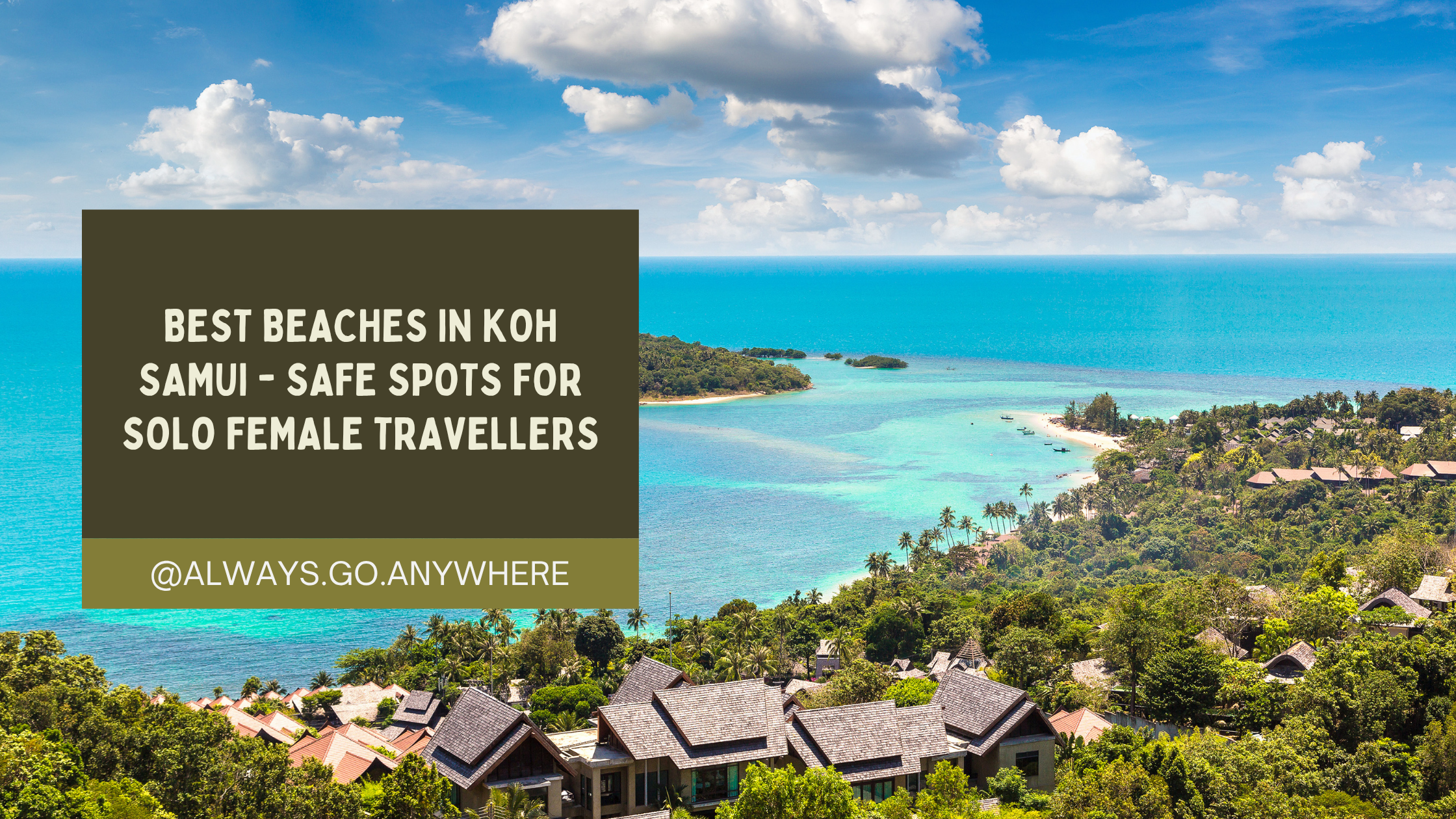
Since moving to Bangkok I have already explored some of Thailand’s most beautiful destinations. I have written guides on some of my favourite spots so far, including where to stay in Hua Hin, the best beaches in Koh Samui, and Koh Samet as a solo female traveller. I have also visited Phuket, Khao Lak and Chiang Mai – guides for those are coming soon. Living in Bangkok genuinely makes Southeast Asia your playground, and the travel costs are a fraction of what you would pay flying from the UK each time.
Is Bangkok Cheap for a British Expat? The Bottom Line
So, is the cost of living in Bangkok cheap compared to the UK? Honestly – yes, significantly. A comfortable lifestyle in Bangkok costs a fraction of what the same lifestyle would cost in London. Think about it this way. In London, £1,400 to £1,800 per month barely covers rent in most areas. In Bangkok, that same budget covers your rent, food, transport, gym, nights out, travel, and still leaves money in your pocket at the end of the month. The cost of living in Bangkok vs the UK is not a close comparison. Bangkok wins on almost every single category. The key is understanding that your costs here are shaped entirely by your lifestyle choices and that is actually a really liberating thing.
Frequently Asked Questions About the Cost of Living in Bangkok
How much does it cost to live in Bangkok per month in pounds?
The cost of living in Bangkok per month for a single person sits between ฿38,000 and ฿55,000 (£874 to £1,264). This covers rent, food, transport, utilities, and a comfortable lifestyle. Your exact figure depends on your accommodation choice, how often you eat Western food, and how active your social life is.
Is Bangkok expensive for British people?
Bangkok is not expensive for British people at all. Compared to most UK cities, and especially London, the cost of living in Bangkok is significantly lower across almost every category. Rent, food, transport, healthcare and leisure all cost a fraction of UK prices. A lifestyle that would cost £2,800 or more per month in London can be replicated in Bangkok for under £1,000 per month in most cases
Can you live in Bangkok on a teacher’s salary?
Yes – absolutely. Teacher salaries in Bangkok vary in range depending on whether you work at a government, private or international school. Even at the lower end of that range, you can live comfortably, eat well, travel on weekends, and still save money. Many teachers find Bangkok one of the most financially rewarding places to live and work. Read my full guide on how to teach English in Thailand for more details.
How much is rent in Bangkok for an expat?
Rent in Bangkok for an expat varies greatly depending on location, size and building type. Budget condos start from around ฿8,000 (£184) per month, mid-range condos sit between ฿15,000 and ฿30,000 (£345 to £690), and high-end central apartments start from ฿30,000 (£690) and above. Most condos include a pool and gym as standard. Remember to budget for three months upfront when you sign your lease. Use DDProperty, FazWaz, Property Scout or Facebook Marketplace to find the best listings.
Is Bangkok safe for solo female travellers living there?
Bangkok is generally a very safe city for solo female travellers and expats. I live here alone as a British woman and feel comfortable and safe in my daily life. Like any big city, common sense goes a long way. Stick to well-lit areas at night, use Grab rather than unmarked taxis, and trust your instincts. For a full and honest guide, read my dedicated post on whether Thailand is safe for solo female travellers.
How does the cost of living in Bangkok compare to London?
The cost of living in Bangkok compared to the UK and London specifically, is dramatically lower. In London, rent alone for a one-bedroom flat averages £1,400 to £2,000+ per month. In Bangkok, a spacious two-bedroom condo with a pool and gym costs as little as ฿17,000 (£391) per month. Food, transport and leisure are all significantly cheaper too. For most British expats, moving to Bangkok means a better quality of life for considerably less money every single month.

Abi is a UK travel blogger, currently living in Thailand, sharing destination guides, solo female travel tips, and insider advice on exploring Southeast Asia. Through AGA Travel (Always Go Anywhere), she helps women discover the world with confidence, whether they’re travelling solo or joining one of her hosted group trips.